Robust DC Motor
In recent years, China has established itself as a key player in the global automotive motor market. The country's automotive motor suppliers have gained significant attention from international buyers seeking reliable products. With rapid advancements in technology, Chinese manufacturers have improved both the quality and efficiency of their motors, making them competitive on the world stage.
The landscape of the automotive motor industry is vast and diverse. From traditional combustion engines to innovative electric motors, Chinese companies cover a range of applications. However, navigating this market can be challenging for global buyers. Identifying reputable suppliers is essential to ensure quality and reliability. Some companies may present impressive capabilities but lack the necessary certifications or track records.
As buyers consider their options, it’s crucial to weigh the benefits and potential drawbacks of sourcing from China. While many suppliers offer attractive pricing, reliability can vary. Buyers should conduct thorough research, focusing on suppliers with proven expertise and robust customer reviews. Ultimately, understanding the strengths and weaknesses of automotive motor suppliers in China is vital for making informed purchasing decisions.
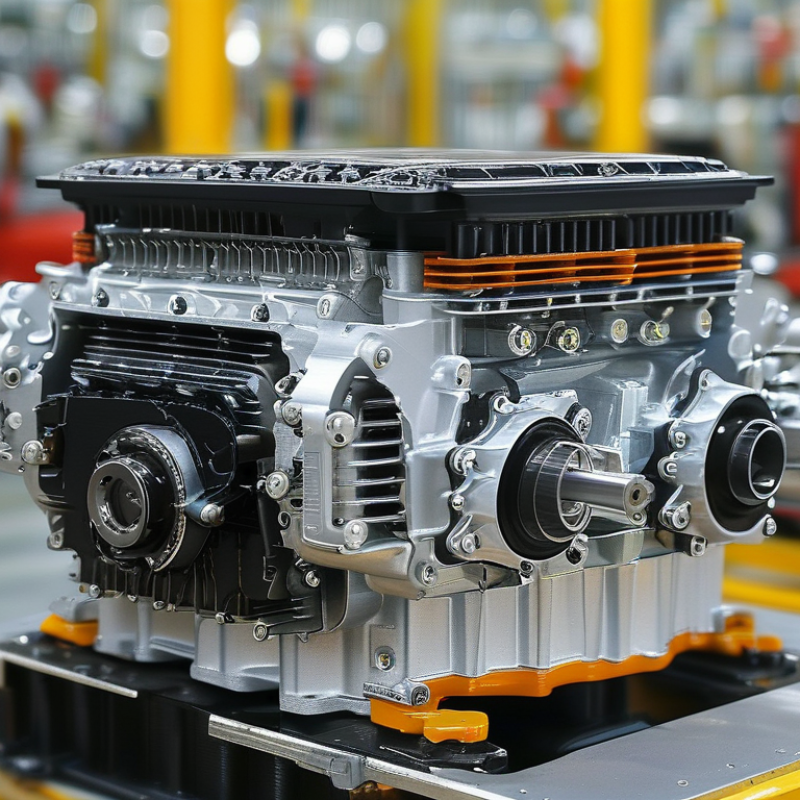
China has emerged as a key player in the automotive motor supplier market. This shift reflects the country's rapid growth and innovation in the automotive industry. Numerous suppliers offer various motor technologies, catering to the needs of global buyers. Understanding the nuances of this market is crucial for businesses seeking reliable partnerships.
Tips: Consider visiting trade shows in China. They offer a firsthand look at suppliers. Networking can yield valuable contacts.
The Chinese automotive motor supplier market is diverse and competitive. Many local companies focus on electric vehicles, which is a significant trend. This emphasis on eco-friendly technology shows promise for the future. Buyers should be aware of the different regional strengths. Some areas are renowned for advanced manufacturing techniques. Others may excel in cost-effective solutions.
Tips: Research company backgrounds carefully. A solid reputation often correlates with reliability.
While many suppliers offer promising products, challenges may arise. Language barriers and cultural differences can complicate communication. It’s vital to establish clear expectations and keep an open dialogue. Understanding the local market dynamics is equally important for successful partnerships.
China's automotive motor industry plays a significant role in the global market. This sector presents numerous key players that drive innovation and competitiveness. Many companies focus on electric and hybrid vehicle motors. They invest heavily in research and development to enhance efficiency and performance. These advancements help meet the rising demand for sustainable solutions.
The landscape is diverse. Some suppliers specialize in compact motors, while others focus on high-performance options. The competition among these manufacturers is intense. Each strives to offer better technologies and lower production costs. However, challenges persist, such as supply chain issues and fluctuating material costs. Companies need to adapt quickly to changes in the market.
Quality control is crucial in this industry. Developing reliable motors requires strict testing and evaluation processes. Many firms are still working on enhancing their production techniques. Despite the rapid progress, concerns about consistency remain. Buyers should carefully evaluate suppliers to ensure quality and reliability in their purchases.
Chinese automotive motor suppliers are making significant strides in innovations and technology. The country has become a hub for electric motor development. Manufacturers explore materials that enhance efficiency and reduce weight. This shift is crucial for electric vehicle performance.
One exciting trend is the implementation of advanced cooling systems. They allow motors to operate at higher efficiency levels. However, challenges remain, such as the production cost of these high-tech solutions.
Additionally, the integration of artificial intelligence in motor control systems is emerging. This enables real-time adjustments to enhance driving dynamics.
There are still gaps in standardization across the industry. Many suppliers are experimenting with different design models. Collaboration among companies is crucial to establish best practices. Some projects face hurdles in scaling innovations to mass production. The landscape is competitive, but the potential is immense.
China's automotive motor suppliers face significant challenges in the global market. According to a recent industry report, these suppliers account for nearly 30% of the global automotive motor market. However, they must navigate increasing competition and quality demands. Many buyers expect high-performance motors at competitive prices. Unfortunately, this can lead to compromises in quality.
Supply chain disruptions have also caused issues. A report from an industry think tank highlights that 45% of Chinese suppliers struggled with component shortages. This impacts production timelines and delivery reliability. Furthermore, the shift towards electric vehicles demands new technologies and innovations. Suppliers must invest in research and development to keep pace.
Tips: Focus on building strong relationships with suppliers. Open communication can mitigate many challenges. Additionally, diversifying sources can buffer against supply chain shocks. Continuous training and upskilling of staff are essential to maintain quality standards. Investing in modern technologies is crucial for future growth in this competitive landscape.
Chinese automotive motor suppliers are adapting to global market needs. They focus on innovation and advanced technology. Emphasis on electric and hybrid vehicles drives demand. As international buyers seek high-performance motors, quality control becomes vital. Manufacturers are investing in research and development to stay competitive.
Market trends indicate a shift towards sustainability. Eco-friendly practices are increasingly important. Suppliers must align with global environmental standards. Some companies are exploring new materials for motors. This can enhance efficiency and reduce waste. However, the transition can pose challenges. Resource constraints and rising costs may hinder progress.
Collaboration with foreign partners is essential for growth. Sharing expertise can lead to shared success. Suppliers need to explore local needs and preferences. Understanding consumer behavior can lead to smarter product designs. While the future looks promising, navigating a complex global market requires agility and adaptability. This is an ongoing journey of improvement and reflection.
| Supplier Type | Market Share (%) | Annual Revenue (Million $) | R&D Investment (%) | Primary Export Markets |
|---|---|---|---|---|
| Electric Motors | 35 | 2500 | 10 | North America, Europe |
| Starter Motors | 25 | 1800 | 8 | Asia, Latin America |
| Alternator Motors | 20 | 1500 | 7 | Europe, Australia |
| Hybrid Motors | 15 | 1200 | 12 | North America, Asia |
| AC Motors | 5 | 500 | 5 | Middle East, Africa |
: It plays a significant part in the global market, driving innovation.
They focus on electric and hybrid vehicle motors to enhance efficiency.
Reliable motors require strict testing to ensure high performance and safety.
Supply chain issues and fluctuating material costs create ongoing difficulties.
They are exploring lightweight materials and advanced cooling systems for efficiency.
The integration of artificial intelligence for real-time performance adjustments is emerging.
Yes, gaps in standardization exist, affecting consistency and collaboration.
The production costs of advanced technologies can be a barrier for some companies.
It is crucial for establishing best practices and scaling innovations effectively.
Many firms still need to improve their production processes to ensure reliability.
The automotive motor supplier market in China has witnessed significant growth, driven by several key players and innovative technologies. China has positioned itself as a major hub for automotive motor manufacturing, focusing on developing advanced solutions to meet the rising global demand. Innovations such as electric motors and energy-efficient designs are at the forefront of this sector, allowing Chinese suppliers to enhance their competitive edge.
However, challenges such as fluctuating raw material costs, stringent regulations, and the need for continuous technological advancement pose threats to these suppliers. Looking ahead, future trends indicate that Chinese automotive motor suppliers will increasingly seek to expand their presence in global markets by leveraging technological innovations and adapting to evolving consumer preferences. The ongoing changes in the automotive landscape suggest a dynamic shift towards electric and hybrid vehicles, ensuring that automotive motors will remain a critical area of development for Chinese manufacturers in the years to come.
